The Trend of Healthy Food – Fad or Real Need?
2026-02-18
The healthy food market is growing at roughly 6–8% per year and is valued at over $1 trillion globally. This is not a passing whim — it is a response to rising rates of lifestyle diseases and increasingly informed consumers. But does the boom in "clean label" and local products reflect genuine behavioral change, or just better marketing?
Global Trends in Healthy and Unprocessed Food
In recent years, Western consumers have increasingly opted for products with short ingredient lists sourced from trusted local suppliers. Growing nutritional awareness means that shoppers carefully read labels — according to industry reports, one-third of consumers worldwide check the product composition, and as many as 42% consider protein content a key factor.
In practice, this translates to a preference for clean labels — simple ingredient lists, free from artificial additives, often locally sourced. Many studies indicate a move away from highly processed foods; people choose unprocessed, fiber-rich, whole-grain products. Plant-based diets are also gaining ground: the global plant-based food market reached approximately $8–9 billion in 2024, though growth has slowed somewhat since the pandemic boom.
Consumers increasingly select products from short supply chains, supporting local farmers. In gastronomy, there is growing demand for regional ingredients — fresh vegetables, fruits, whole grains, and authentic local cheeses. This approach also addresses environmental concerns by reducing transport and food waste.
Conscious Eating and Food Classification
Growing consumer awareness means purchases are guided not only by taste but also by nutritional and ethical values. Industry reports emphasize that food quality and health characteristics are now top priorities — consumers aim to promote "healthy aging" through a balanced diet.
A key framework shaping this conversation is the NOVA classification, which divides foods into four groups:
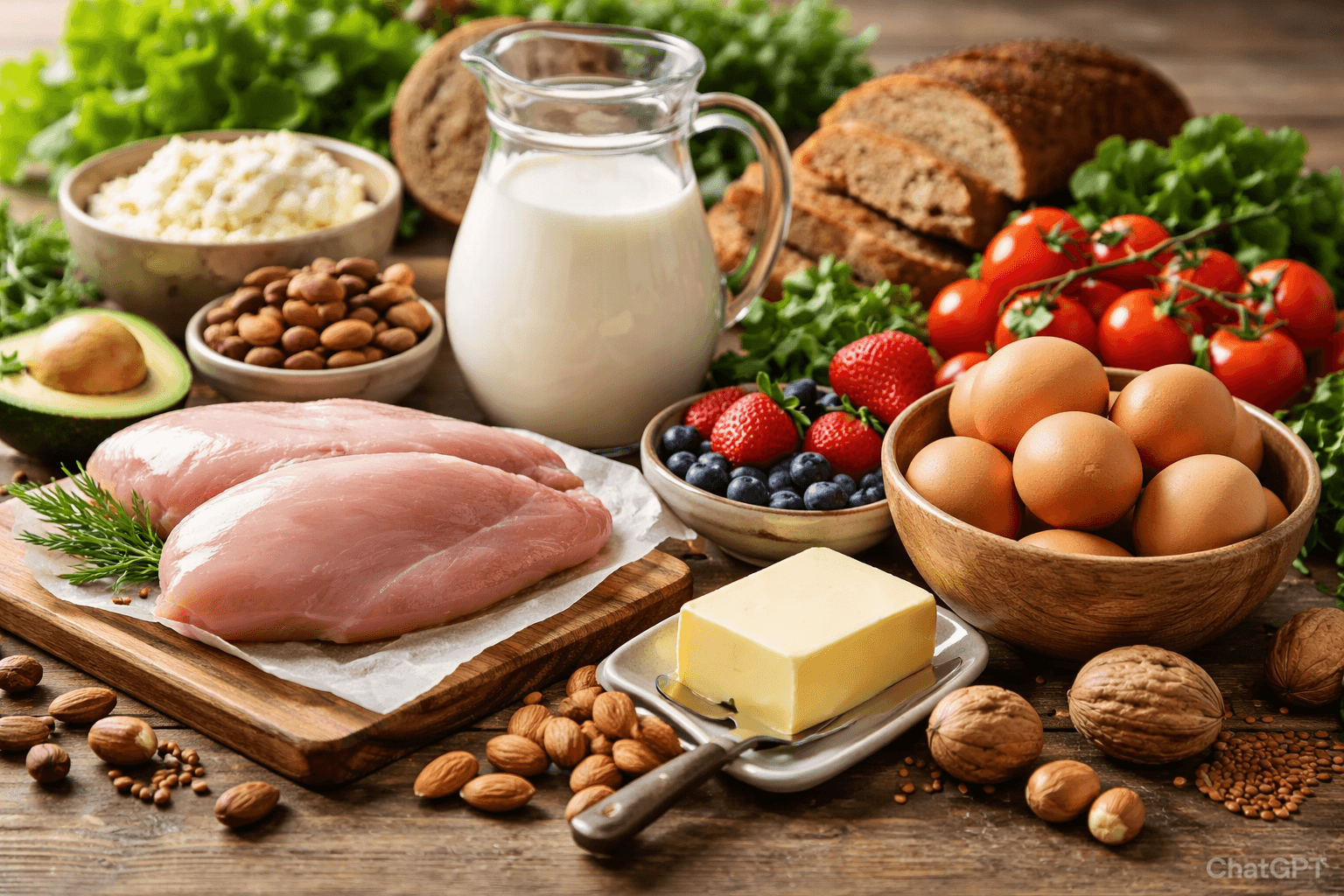
- Group 1 — unprocessed or minimally processed foods (vegetables, fruits, meat, milk, eggs),
- Group 2 — processed culinary ingredients (oils, butter, sugar, salt),
- Group 3 — processed foods (canned goods, aged cheeses, cured meats),
- Group 4 — ultra-processed foods (sweets, sweetened beverages, instant meals, fast food).
Avoiding Group 4 has become a principle of many diets and dietary guidelines worldwide. NOVA is actively used in Brazil's national dietary guidelines and is increasingly cited in European research.
What this means for consumers in practice:
- Clean labels — expectations of no artificial preservatives, colorings, or flavor enhancers. Simple composition and transparent sourcing are a strong marketing advantage.
- Plant-based and nutrient-dense — growing interest in plant proteins goes hand in hand with the popularity of vegetarian and vegan diets. Whole grains, nuts, and seeds are promoted for gut health and lasting satiety.
- Conscious menus — the growth of specialized catering (ketogenic, gluten-free, diabetic-friendly) shows that professional kitchens are tailoring offerings to specific health needs.
Goat Milk and Goat Cheese as Natural Products
Goat products are gaining popularity both in Poland and worldwide. Goat milk and its derivatives are considered a healthier alternative to conventional dairy: they contain more easily digestible whey protein, and the smaller fat globules (avg. 3.5 µm vs. 4.5 µm in cow's milk) make them gentler on the digestive system.
Global demand for goat cheese is growing rapidly: the market reached approximately $13 billion in 2024, driven by conscious consumer choices, health awareness, and the rising popularity of natural and organic foods. Goat cheeses are often chosen for their creamy texture and mild, slightly tangy taste. The growing range — including BIO and lactose-free products — gives consumers access to high-quality natural alternatives in line with the global healthy food trend.
Local Production and Seasonality
Among global trends, there is a strong shift toward local products. Consumers value short supply chains — fresh, seasonal, sourced from regional farmers or small producers. Such products:
- support the local economy and reduce the carbon footprint,
- are more transparent in composition and production methods,
- align with "zero waste" strategies that minimize food and packaging losses.
Local goat and sheep cheeses, organic milk from small farms, and nearby-grown vegetables are all becoming symbols of conscious consumption. Restaurant menus increasingly feature traditional dishes made from regional ingredients.
Policies and Regulations Promoting a Healthy Lifestyle
Political and social changes are also driving the growth of the healthy food market.
Sugar taxes: Many countries have implemented levies on sweetened beverages. In Poland, the sugar fee (in effect since 2021) charges 0.50 PLN per liter of beverages containing up to 5g of sugar. In the UK, the soft drinks levy was extended to sweetened milk-based beverages, which the government estimates could reduce the nation's daily caloric intake by approximately 17 million calories.
Labeling and certification: Consumers can make use of:
- Nutri-Score — a front-of-pack label grading food from A (best) to E (worst). Officially adopted by France, Germany, Belgium, the Netherlands, Luxembourg, Spain, and Switzerland; under consideration as a mandatory EU-wide standard.
- BIO/Organic certifications — confirm ecological production methods.
These measures, combined with consumer education, reinforce the shift toward conscious eating and a natural lifestyle.
Fad or Real Need? A Conclusion
The data is clear: rising rates of type 2 diabetes, obesity, and cardiovascular disease are real health challenges, and diet is one of the most significant modifiable risk factors. The growth of interest in healthy food is not simply a trend driven by influencers — it is a response to genuine public health challenges.
Global trends show growing demand for food that is less processed, based on natural ingredients, local raw materials, and simple recipes. For consumers interested in high-quality products like goat milk and goat cheese, this means a wide range of tasty and nutritious alternatives aligned with the global slow food movement and a healthy lifestyle.